
Alternator Pulley Wear Symptoms and Testing Guide
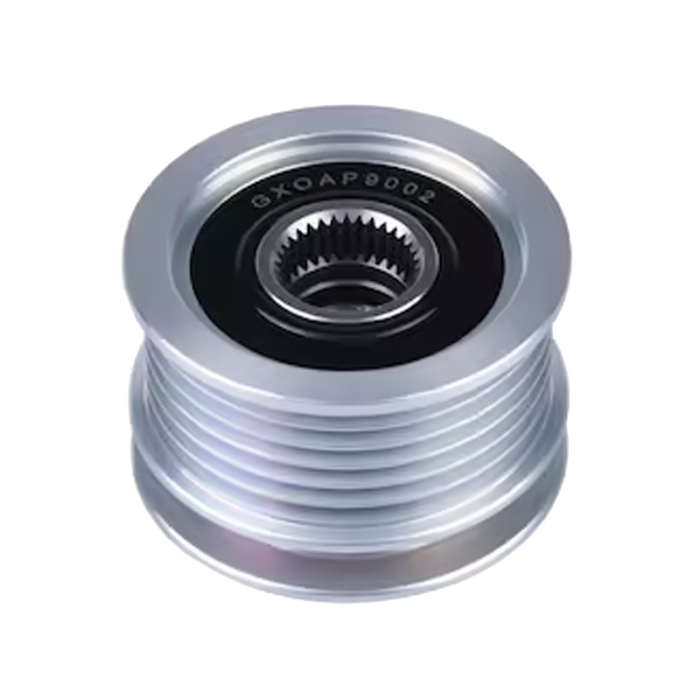
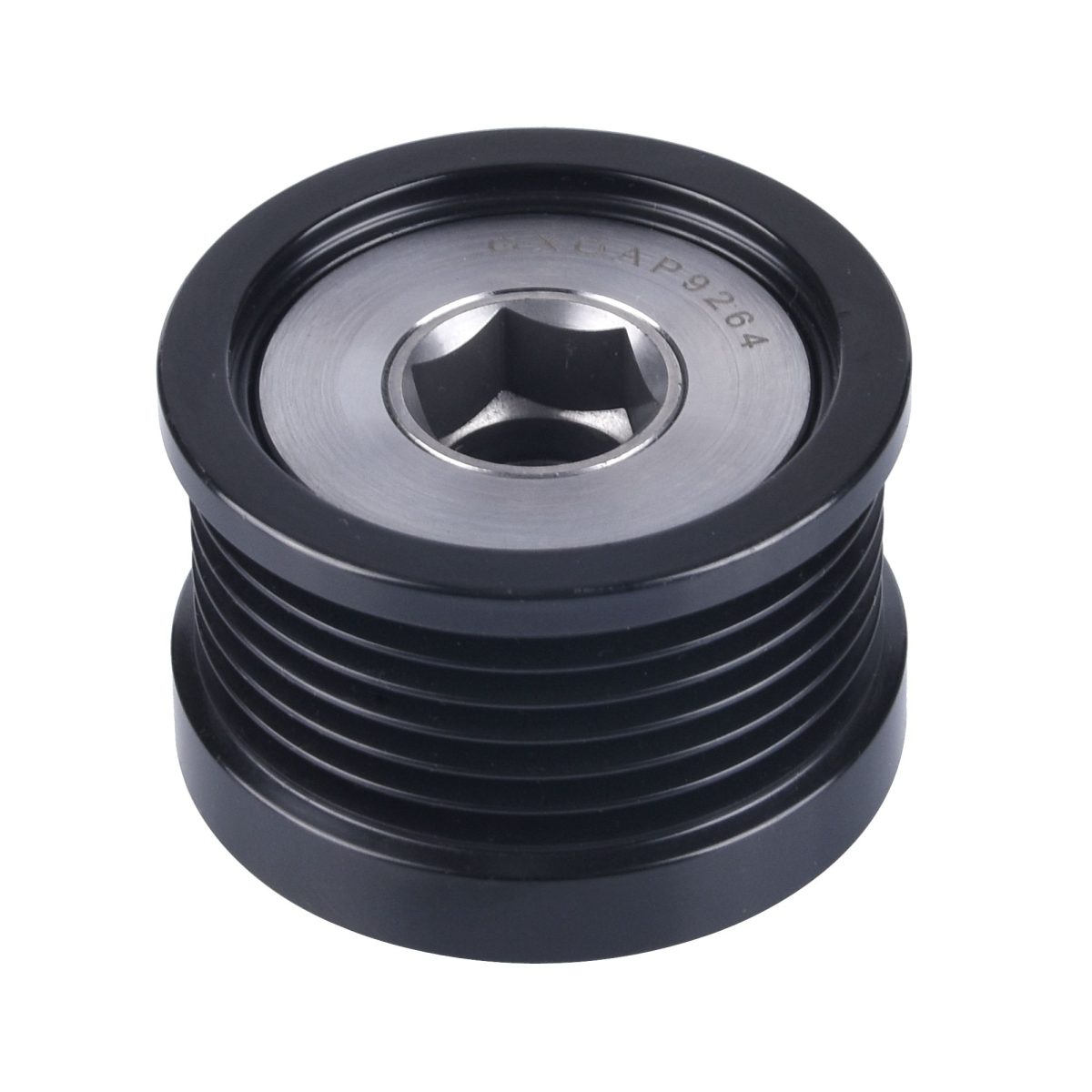
Overrunning alternator pulleys can wear even when damage is not visible. Checking the pulley together with the belt and tensioner can help identify signs of wear before a belt-drive problem becomes more serious.
Common alternator pulley wear symptoms
- Excessive belt-tensioner movement at idle.
- Abnormal clicking or random noise at idle.
- A brief hum or squeal immediately after engine shutdown or during start-up.
- Grinding noise, belt slip, wobble, vibration or a pulley that does not rotate smoothly.
These symptoms can also be related to other belt-drive components. Inspect the complete drive system and follow the applicable vehicle service procedure before replacing parts.
1. On-vehicle test
- Let the engine idle and observe belt-tensioner movement. Excessive movement can indicate a worn freewheel clutch pulley or another drive-system issue.
- Raise engine speed to about 2000-2500 rpm, then shut the engine off and listen for an abnormal brief hum from the alternator area.
- Note any squeak, grinding noise, belt slip, wobble or vibration during operation and shutdown.
2. Static test with engine off
Turn the engine off, remove the ignition key and allow moving parts to stop. Where the vehicle procedure requires access, remove the V-belt and the pulley dust cap before inspection. Use the correct tool to hold the pulley and check the one-way operation in both directions.
A correctly operating freewheel pulley normally turns freely in one direction and locks in the other. If it does not show the expected one-way operation, inspect the pulley and belt-drive system according to the relevant vehicle manufacturer’s procedure.
For a focused manual rotation check
For the detailed hand/bench rotation procedure, see our alternator clutch pulley rotation diagnostic guide.